

1826-1876
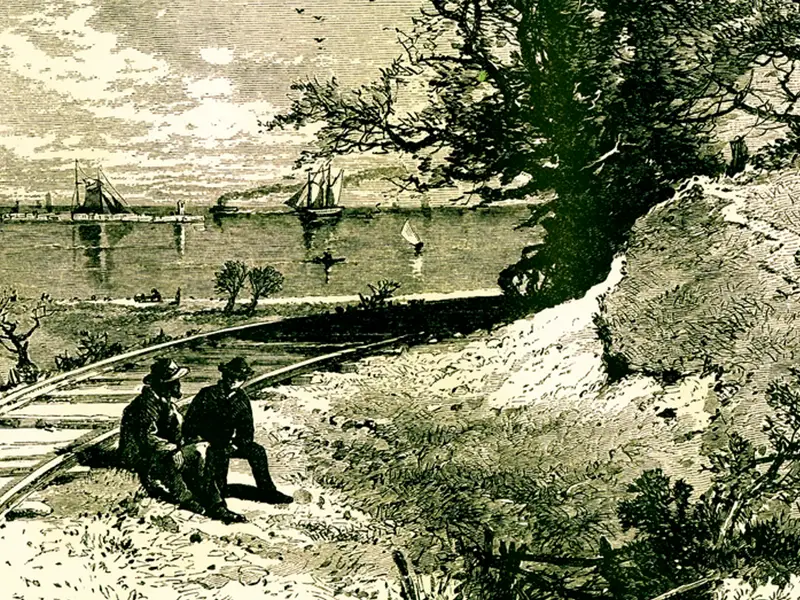
Transportation, Trade, and the Making of a City
Between 1826 and 1876, Erie developed into a growing center of transportation and commerce. Steamboats increased movement across Lake Erie, and the Erie Extension Canal, completed in 1844, connected the city to inland Pennsylvania and the Ohio River Valley. These routes allowed goods, raw materials, and travelers to move through Erie more efficiently.
Railroads transformed the city even further. By the 1850s, Erie sat between major east-west rail lines connecting Buffalo and Cleveland. This led to the Erie Gauge War, a local dispute over railroad track widths and the fear that direct rail travel would reduce jobs and business in the city.
Erie officially became a city in 1851. Its economy grew through shipping, fishing, oil-related trade, and early manufacturing. During the Civil War, Erie County sent a large share of its eligible men into Union service and supported the war effort through local production and civic organizing.
By 1876, Erie had become a more established city with stronger transportation links, expanding industry, and a growing public identity rooted in work, service, and access to the Great Lakes.
Erie County’s Growth and Transformation
Hear how Erie County changed between 1826 and 1876 as canals, steamboats, railroads, industry, and trade connected the region to a growing nation. This period also saw Erie become an official city, navigate the Erie Gauge War, and play an active role in the Civil War.
1826–1876 Photo Experience
Choose an overlay, then take a photo. Photos stay on your device.
If your camera permission is blocked.
- Open your iPhone Settings
- Tap Safari → Camera
- Set it to Ask or Allow
- Then go back to this page and tap Start camera again